How we beat the US tariffs and how you can too
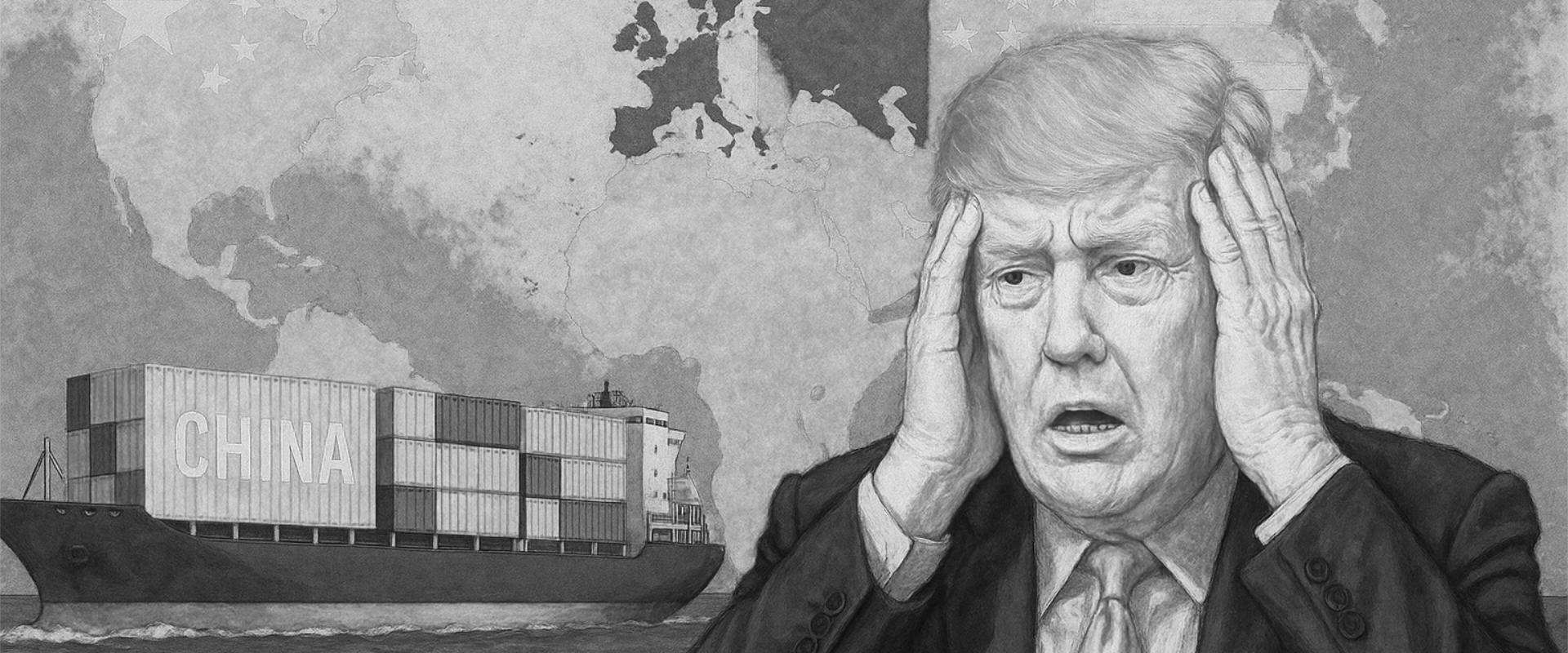
When President Trump introduced aggressive tariffs on Chinese imports — ranging from 25% to 50% — he intended to bring manufacturing back to the U.S. What he actually did was disrupt global product development pipelines and force innovative companies to rethink how to survive and thrive under a radically altered cost structure.
Let’s be clear: these tariffs are not paid by Chinese suppliers. They’re paid by American consumers.
Take a standard consumer electronic product: a $10 plastic part manufactured in China becomes $15 with a 50% tariff, and once it hits the retail shelf with the usual x3 markup, it lands at $45. That’s a 350% price increase at no added value — just policy friction.
Our Original Workflow
For years, our development model was streamlined and global:
-
Italian design
-
Chinese plastic injection
-
PCB production in Italy, delivered tariff-free to China
-
Assembly in China
It was cost-effective, fast, and leaned on the strengths of each region. Then tariffs hit.
The New Goal: Avoid U.S. Tariffs Entirely
The intention behind the tariffs was to push manufacturing back into the US, but realistically, reshoring production — especially in electronics — can’t happen in under a decade. And even assembly in the US brings significant downsides: higher costs, lower quality, limited know-how, and a supply chain that’s still dependent on foreign components.
So we asked: what if instead of competing on price, we changed the game?
Think Value, Not Cost
We flipped our strategy. Instead of slashing margins, we raised our design fees. Why? Because our clients could save far more by shifting final assembly to Europe and avoiding US tariffs entirely. Suddenly, our European base became a strength, not a cost.
Products assembled in the U.S. from Chinese parts still incur 25–50% tariffs — while goods imported from Europe are taxed at just 20%.
So we said goodbye to our U.S. assembly partner and moved final assembly to Italy. Shells and PCBs still come from China — where the quality and manufacturing knowledge outshine most US alternatives — but we finish the product in Europe.
The Results
Let’s run the numbers:
Scenario 1 – U.S. Assembly (with tariffs):
-
Plastic from China to U.S.: $10 + 50% = $15
-
PCB from EU to U.S.: $10 + 20% = $12
-
Assembly in U.S.: $10
-
Total FOB price: $38
Scenario 2 – EU Assembly (tariff-optimized):
-
Plastic from China to EU: $10
-
PCB from China to EU: $10
-
Assembly in EU: $8
-
Total FOB price: $28 + 20% = $33.60
We’ve saved $4.40 per unit — and given our clients a better product … or you can charge a 1.5% royalties more instead of the usual 3%
What This Means for You
You can either keep wrestling with tariffs, unpredictable politics, and subpar U.S. assembly quality — or you can outsmart the system.
Rethink your supply chain. Optimize for where value is created — not where tariffs are imposed. Leverage Europe’s design and engineering edge. Use China’s manufacturing power. And deliver to the U.S. through a smarter, leaner route.
This is how we beat the tariffs — and so can you.